TONE AND STYLE
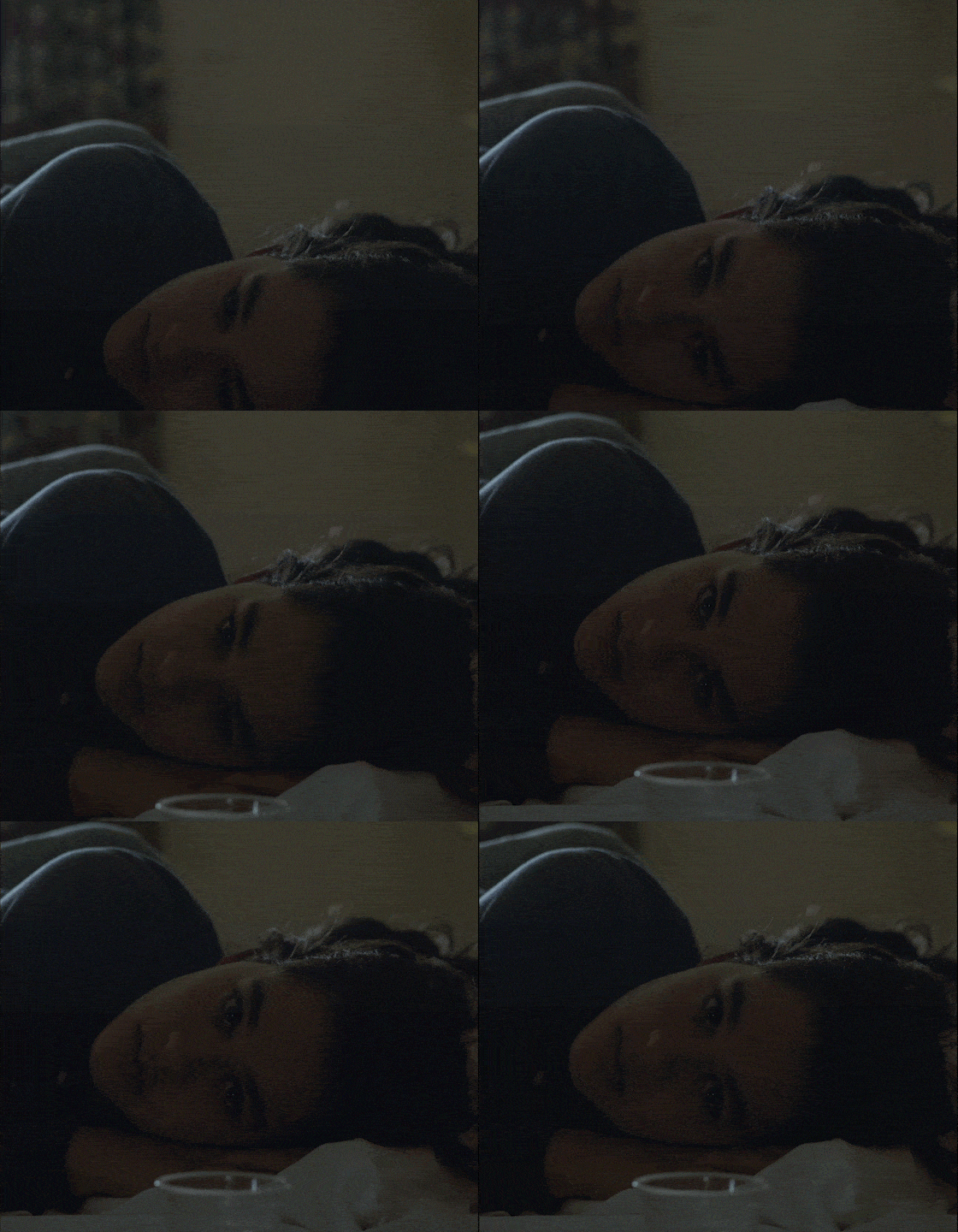
"All Our Ghosts" is a film that does not speak loudly. It does not explain. It does not tell the viewer what to feel at any given moment. It is built on what happens between words and on what the characters do not say.

DIALOGUE
The main reference is Olivier Assayas' "Personal Shopper", in which dialogue sounds like an overheard conversation rather than a screenplay. The characters interrupt one another, leave sentences unfinished and circle around a subject until they reach its core. The most important lines are spoken in passing, in a car, in a bathroom, at a petrol station. Never at the moment the viewer expects them. This is dialogue that trusts the actresses and requires them to use their bodies, eyes and breath as expressively as their voices.


THE RELATIONSHIP BETWEEN WOMEN

The second key reference is Lisa Cholodenko's "High Art", in which the relationship between a photographer and a younger woman combines artistic collaboration, desire and obsession. Eroticism is not a separate layer here; it is woven into the work. When Ewa adjusts the marks painted on Natasza's body, when they share a motel room and lie on beds in their underwear, there is always something more than work and less than love between them. Cholodenko taught us that female intimacy in the art world is complicated by power, age, class and talent. This film inherits that tradition.

ROAD MOVIE
The third reference is Ridley Scott's "Thelma & Louise": two women in a car who set out in search of one thing and find something entirely different. "All Our Ghosts" adopts this escalation: every stop raises the stakes, every night takes the women further beyond the point of no return. But we travel in a different direction, into a space where the finale is not catharsis but an open wound. Natasza returns to the country she fled. Ewa is left with an exhibition that cost her too much.



MAGICAL REALISM
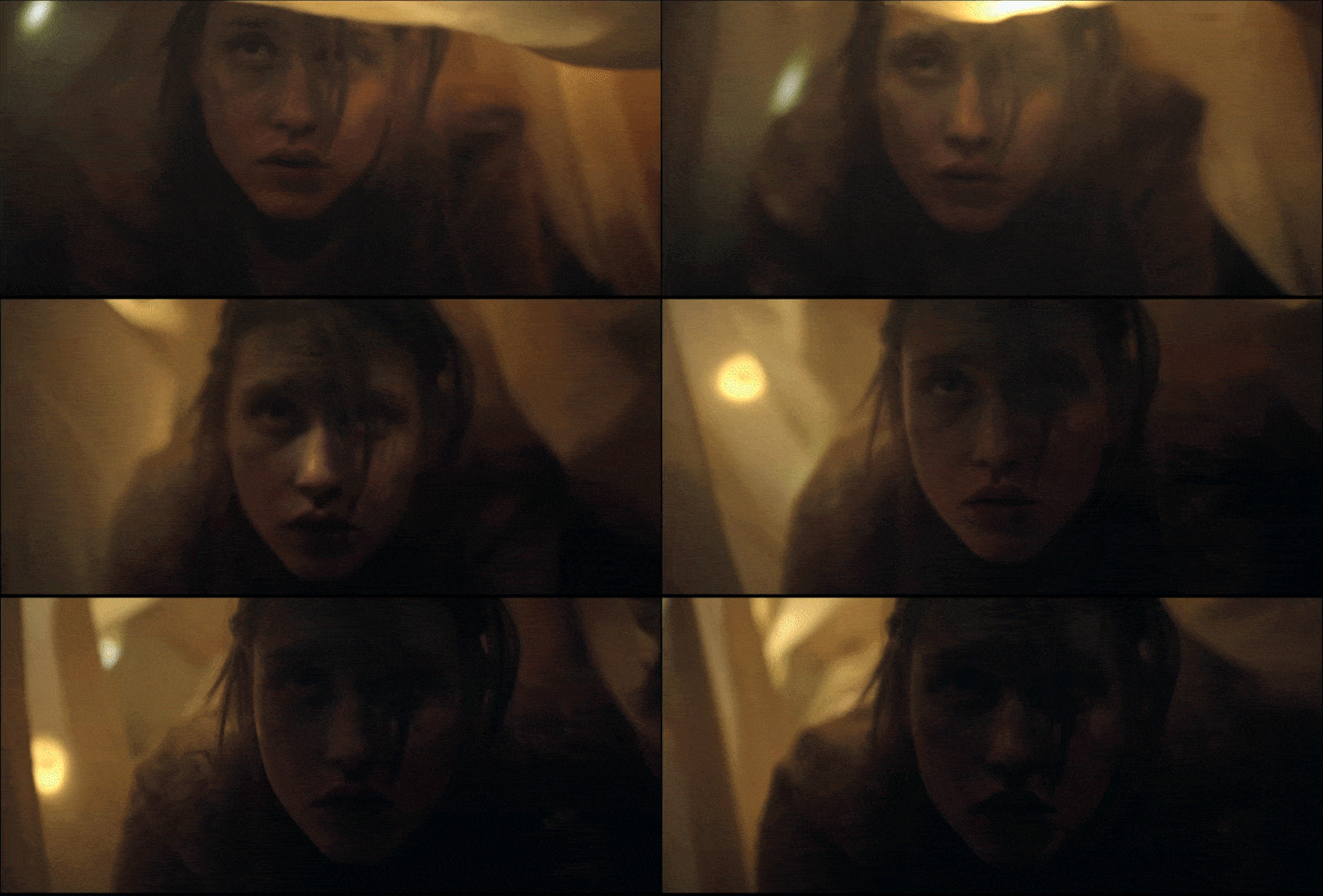
Maria is the only element of this film that does not obey the laws of physics, but the film does not distinguish her visually in any way. She appears without warning, in the same light as everyone else. Nobody but Ewa sees her, yet the camera suggests neither a hallucination nor a ghost. Each time, the viewer does not know for a moment what they are looking at, because the film never resolves it.
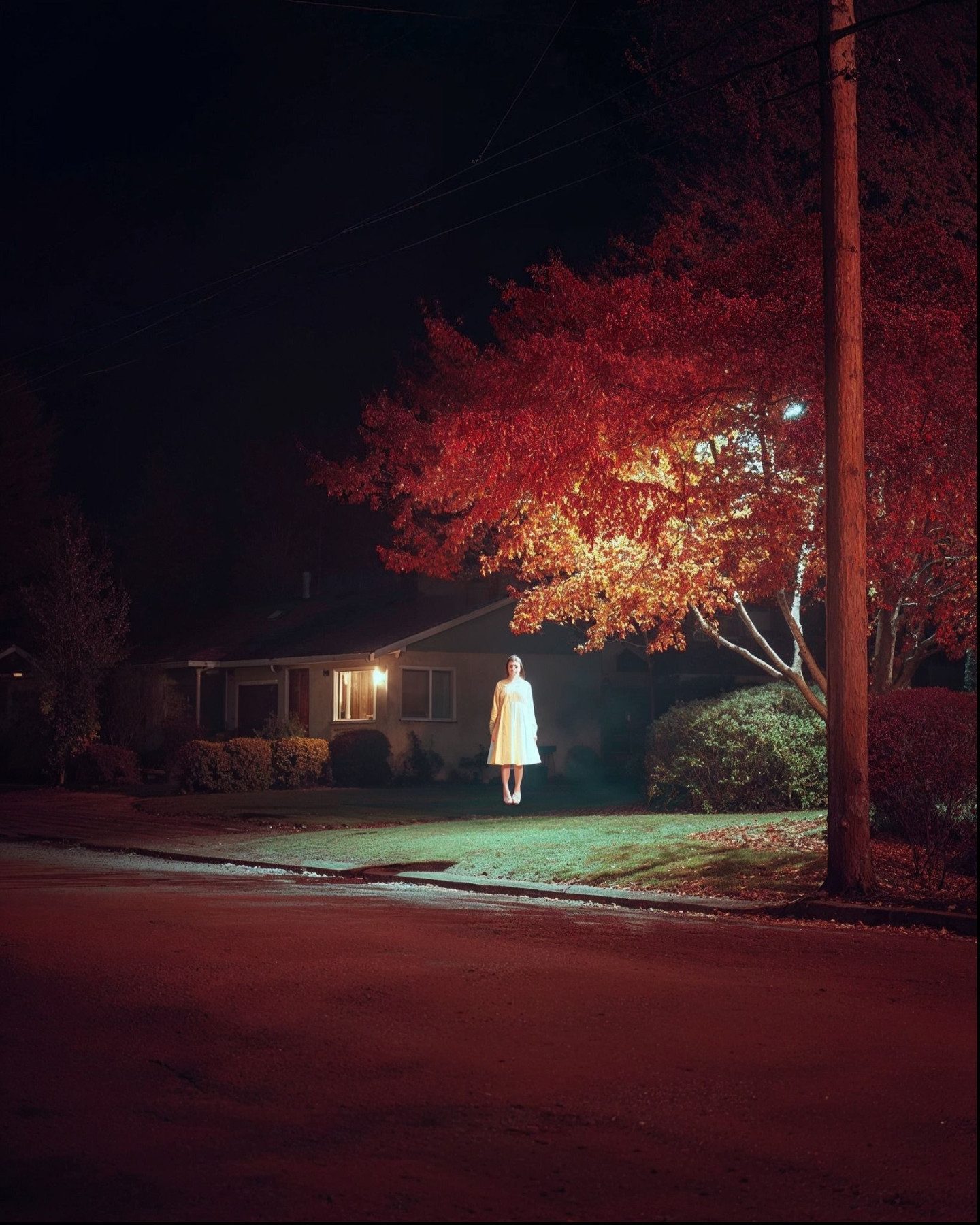
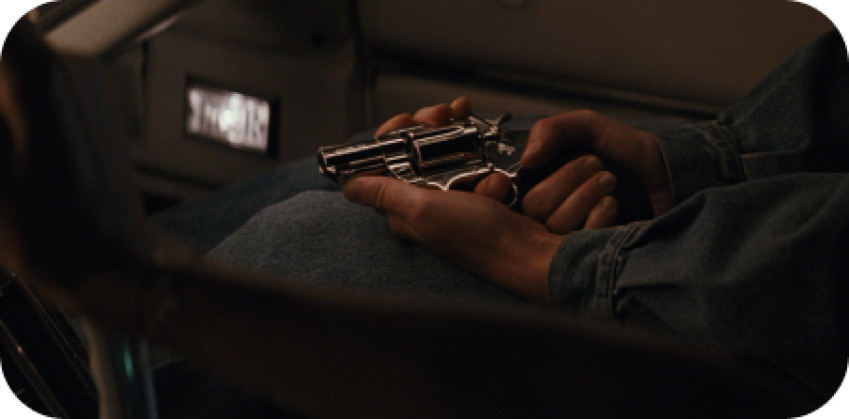
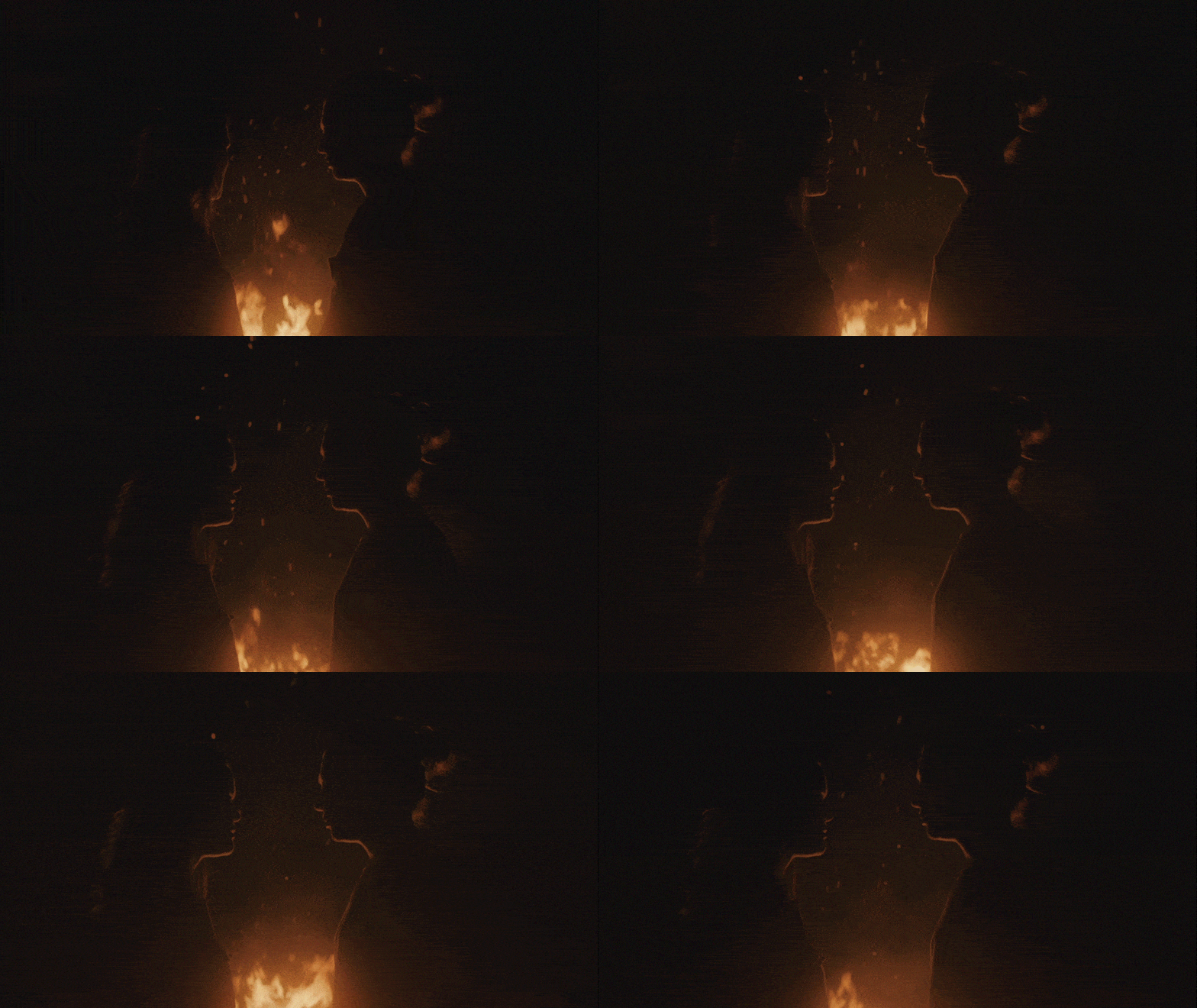
The second layer is not supernatural but symbolic. The world answers the protagonists with signs that cannot be fully read: three does suddenly stepping into the road, one of which Ewa must finish off with someone else’s gun; cranes taking flight at the exact moment Natasza's minibus heads towards the border; finally, a fire that in the heat of summer exposes the burnt-out wreck before investigators can discover it. There is neither justice nor punishment here, only a world that simply refuses to cover anything up. The film does not comment on any of these events. It shows them and moves on. The viewer connects the dots.
RHYTHM AND EMOTIONAL TONE
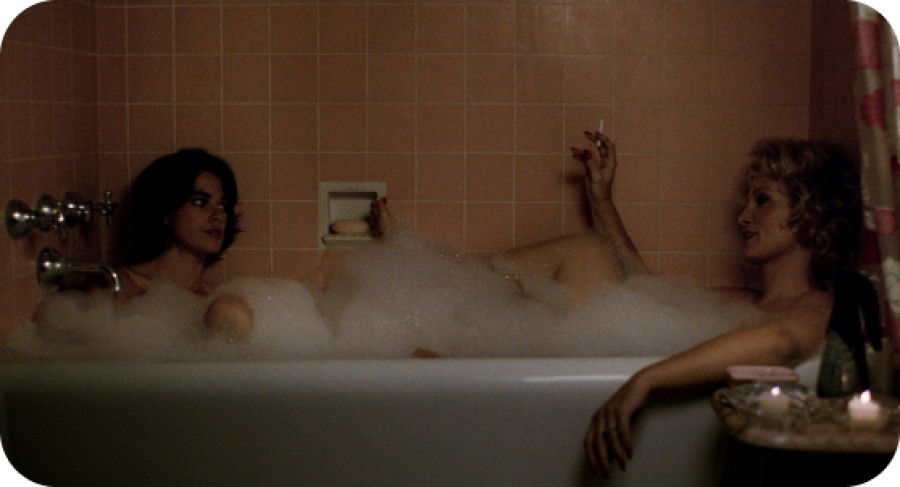
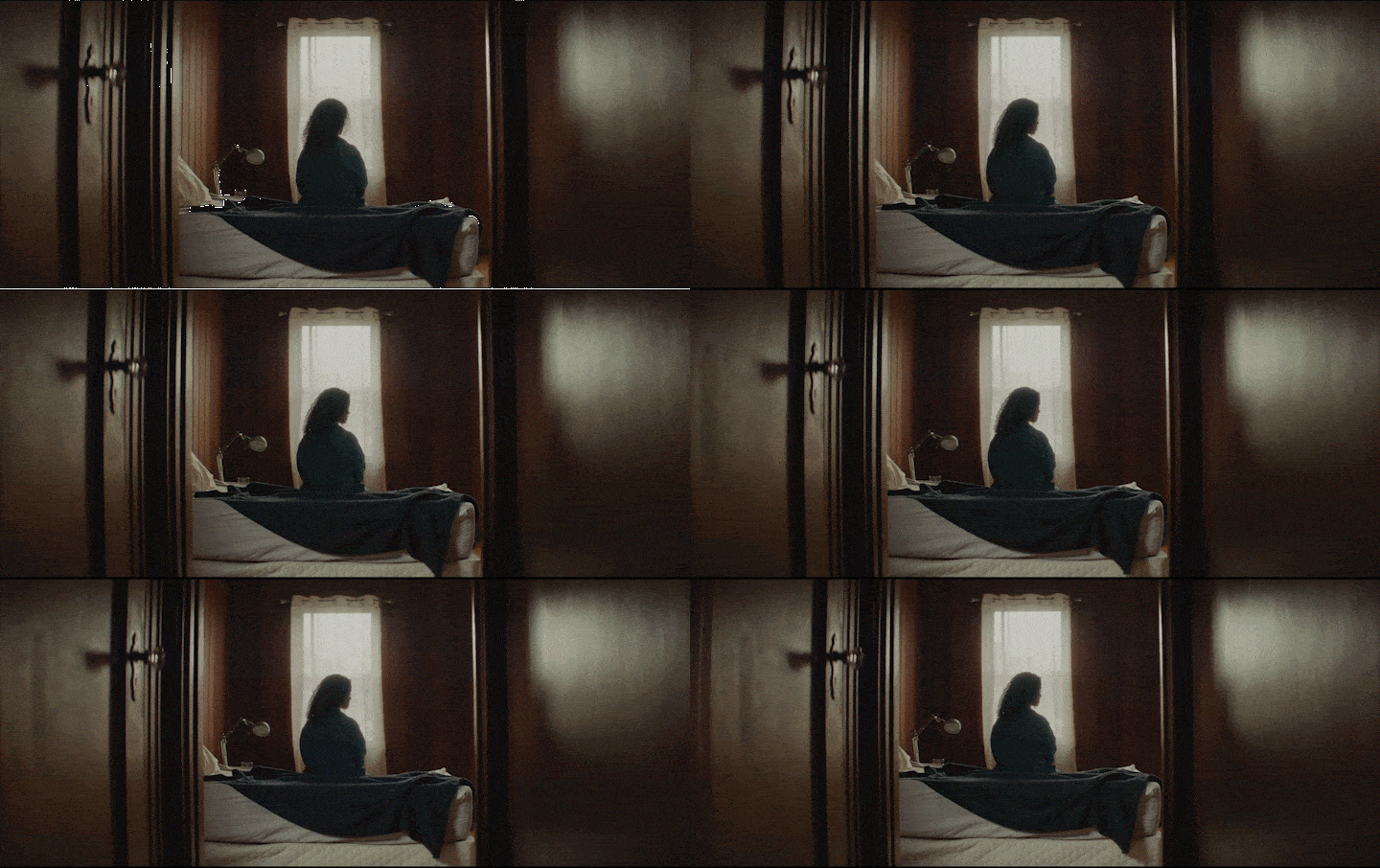
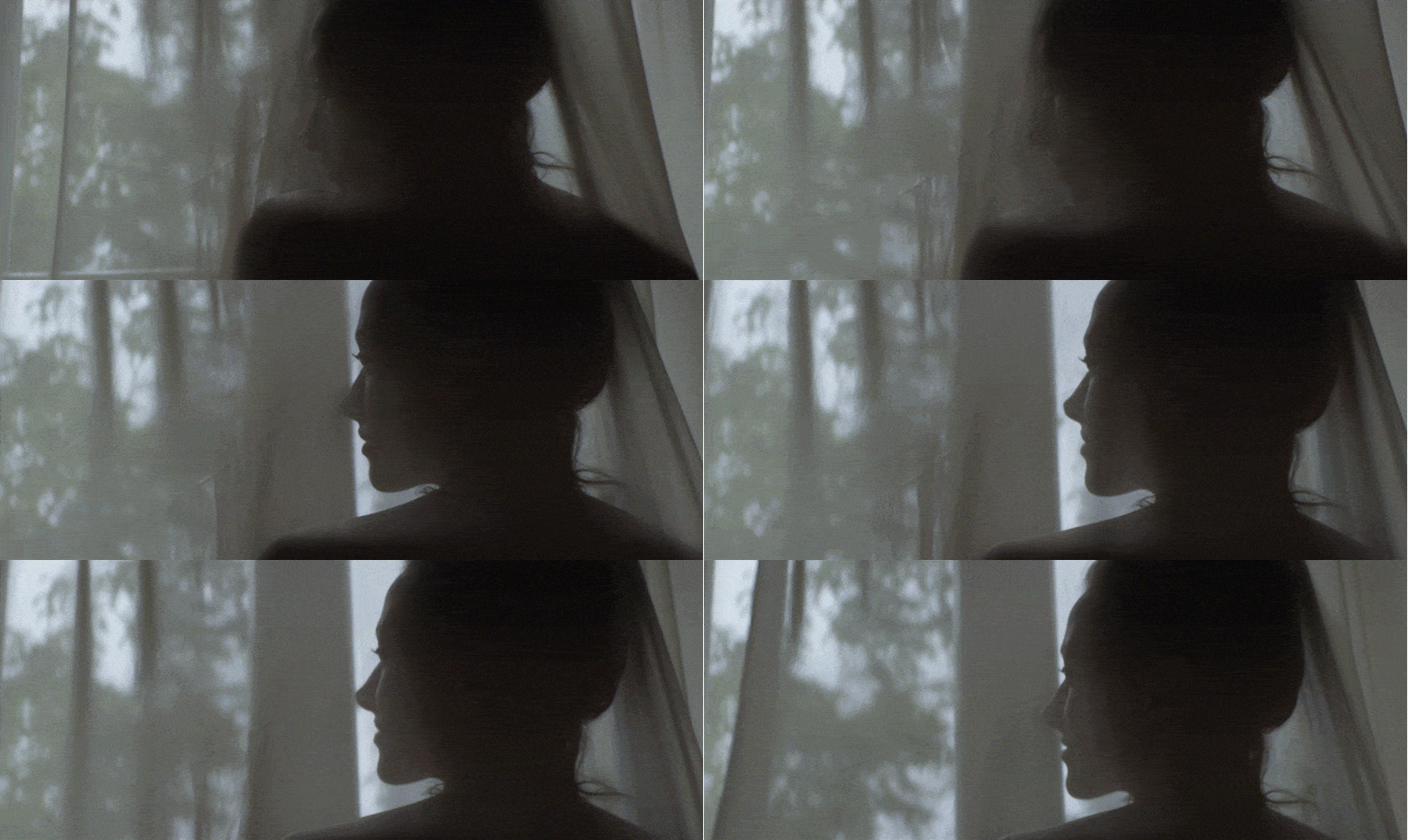
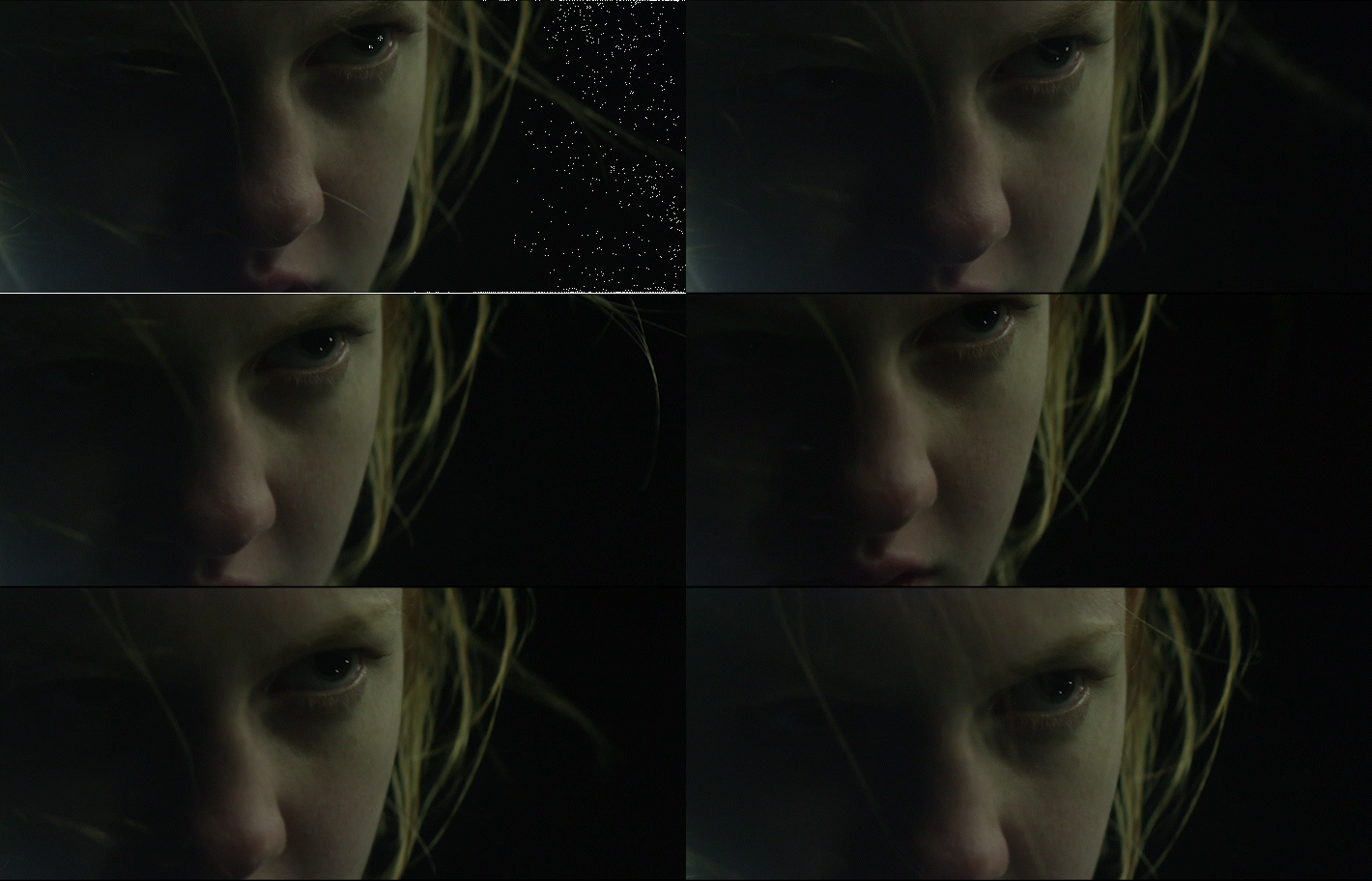
The film breathes. Intense scenes are followed by moments of suspension. These pauses are not breaks in the narrative. They are the narrative. It is within them that the relationship between Ewa and Natasza is born, and after them the later darkness hits harder, until the women part ways.


