
FILM WORLD
The film lives in the tension between two seemingly unrelated landscapes that, in fact, feed into one another.
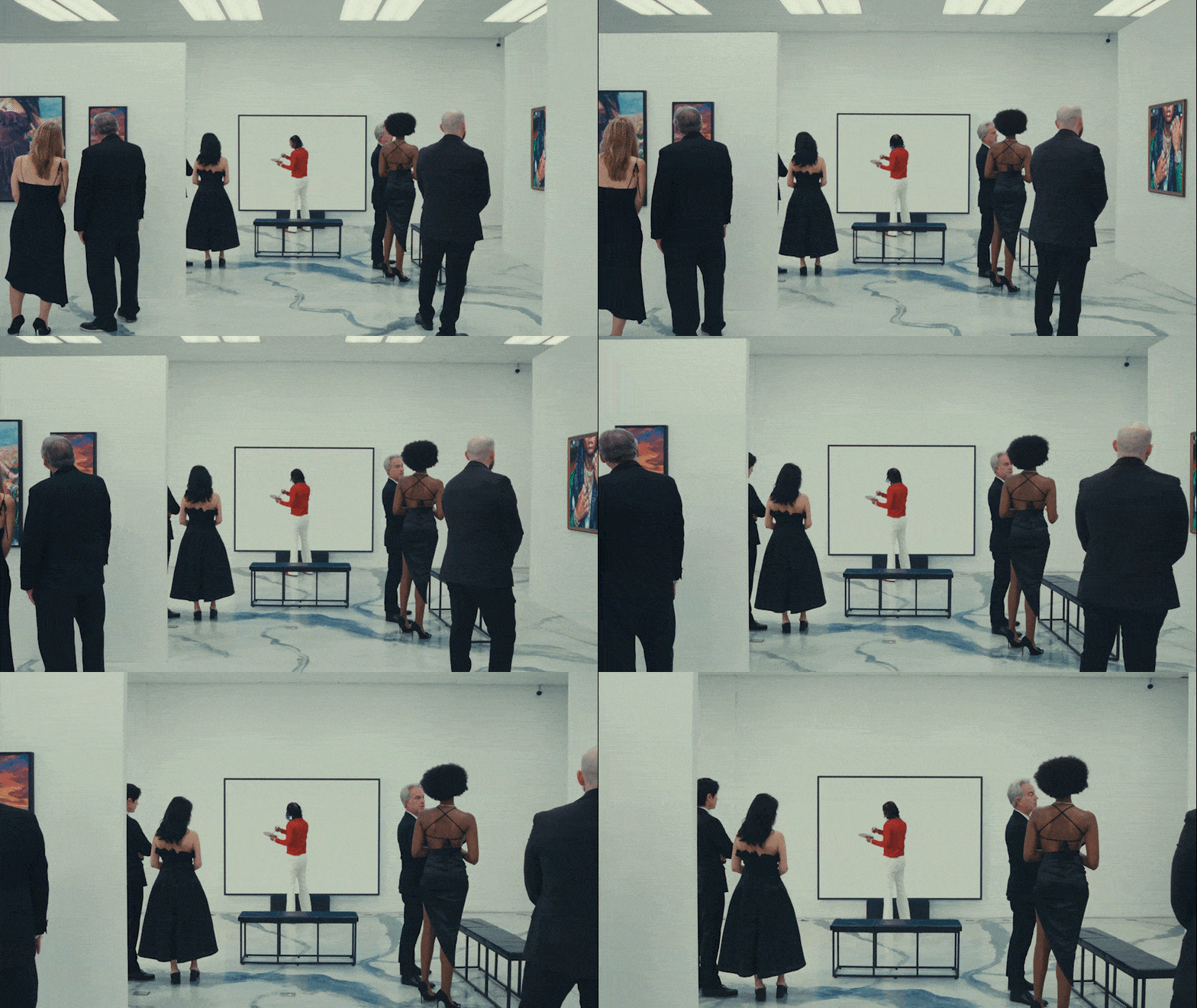
A WORLD OF BEAUTIFUL LIES
Warsaw, Milan/Paris and Berlin. Palatial interiors where models pose beside lavishly laid tables. Photography studios in sterile white. Contemporary art galleries. Everything here is perfect: the light, the make-up, the frame. Ewa is at home here, yet increasingly feels like a guest in her own life, because there is nothing beneath the surface, and that is exactly what Hans accuses her of.


PROVINCIAL POLAND


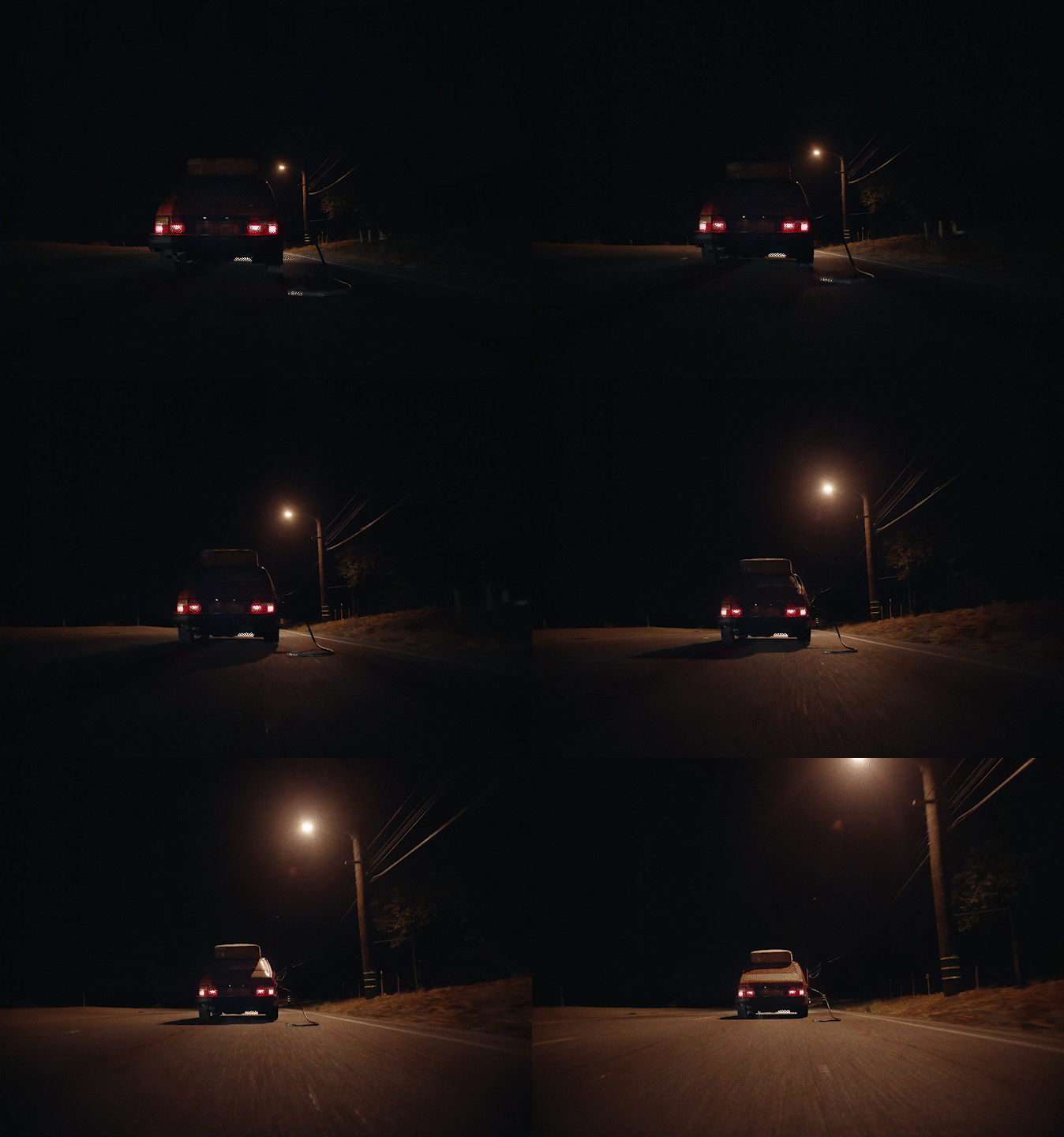

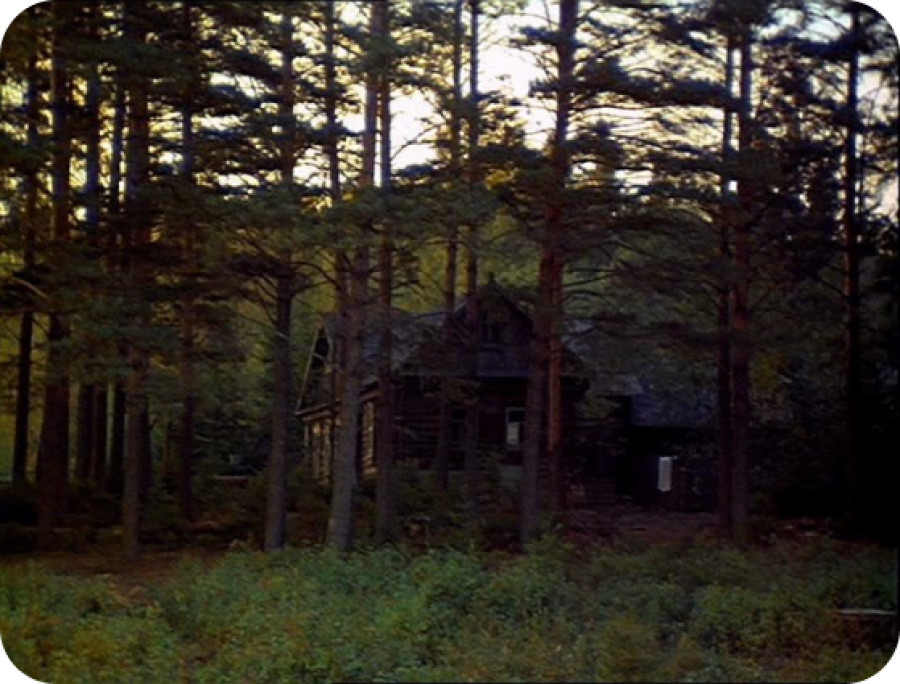
Roadside hotels with unfashionable furnishings. Petrol stations and car parks. Forest roads in the fog. Car workshops with calendars of naked women on the wall. Discos in small towns where people drink warm shots and dance to 1990s Polish dance music. This world does not pretend. It is raw, concrete and physical, and this is where everything essential happens: intimacy, conversations about the past, a shot fired at a wounded deer, a death beside a bonfire.

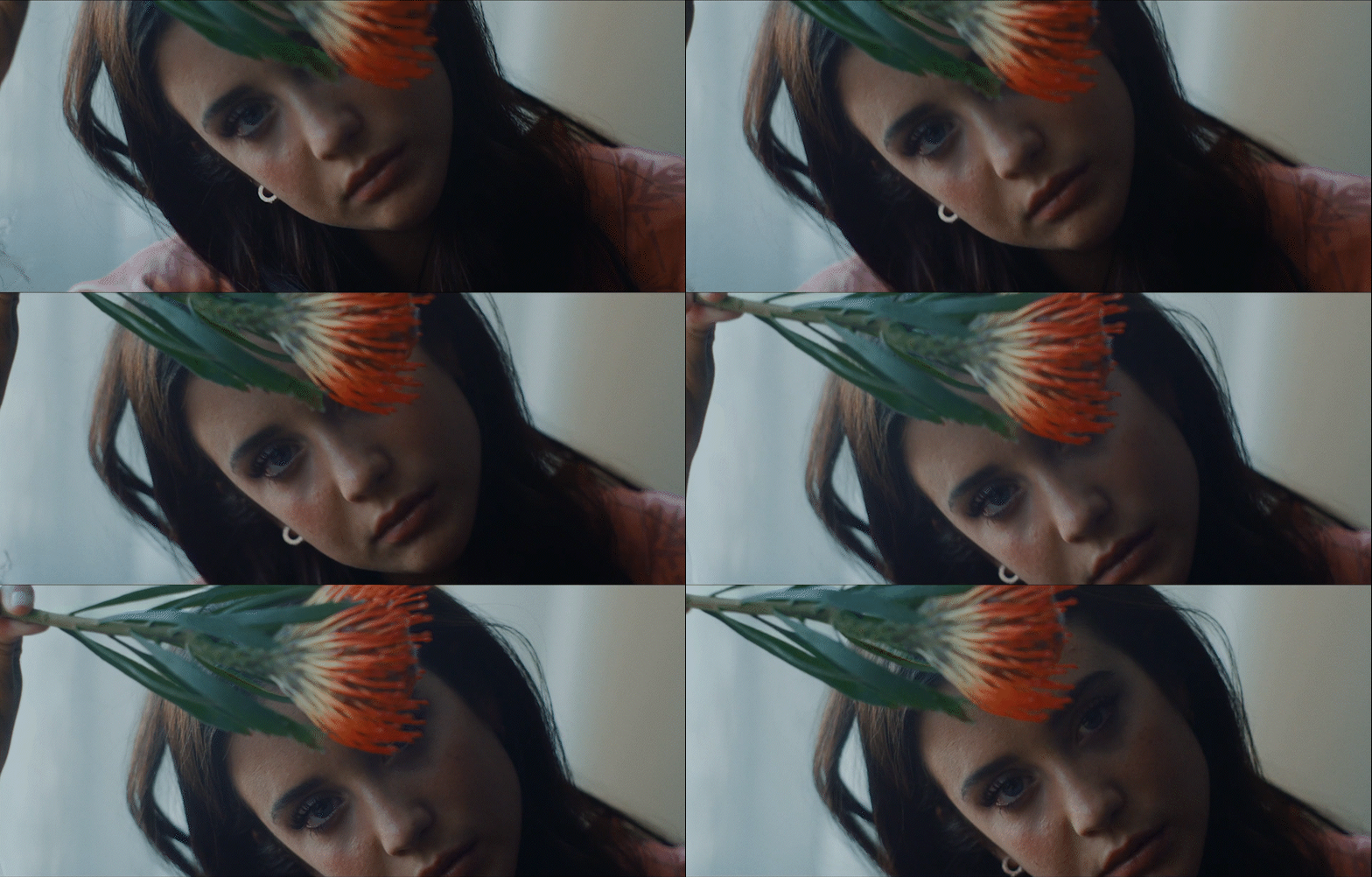
There is, however, a third world:
THE WORLD OF GHOSTS
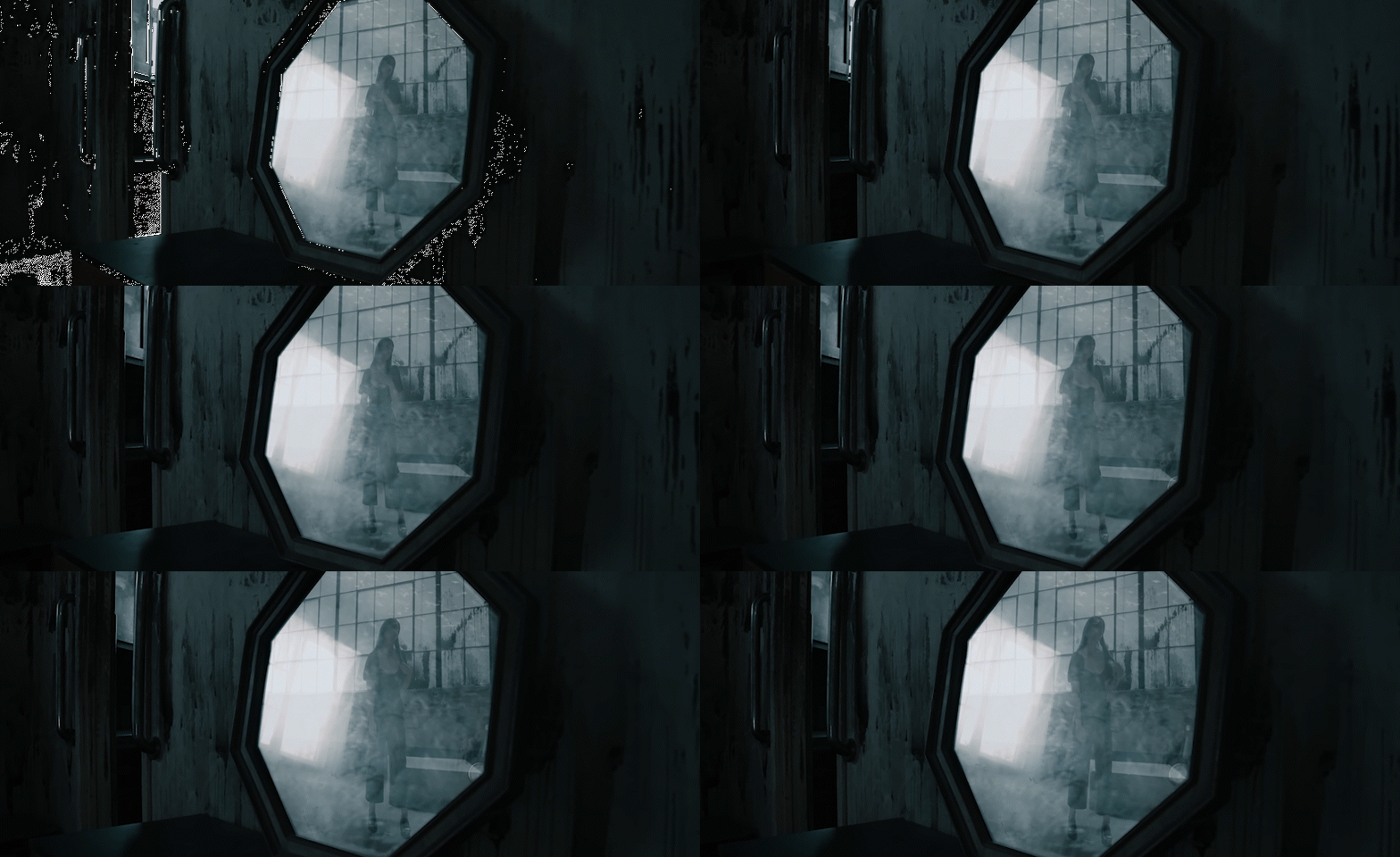
Maria has no separate aesthetic, and that is a decision. She lies in bed beside her sister with an earphone in her ear. She sits on a chair and reads aloud. She stands in the garden. The same light, the same lens, no distortions. But Natasza has her own ghosts too: her parents, Mariupol, mobile crematoria, and nobody but her can see them. This world has no locations of its own; it permeates the other two.


A WORLD THAT ENTERS UNINVITED
War has no location of its own in this film. It enters existing frames and changes their meaning. A train from Berlin cancelled because of railway sabotage. Radio news about fires consuming Europe. Russian spoken at the next table. A Mariupol tattoo on an arm. Minibuses bearing signs for Kyiv on the other side of a border crossing. Even an old tank in a roadside car park, beside which the protagonists smoke cigarettes, eventually ceases to look like a monument. This is a world Ewa cannot photograph because it cannot be arranged inside a frame.

CONTRAST AS A TOOL
This is not a film about fashion being false and the provinces being real. It is a film about a woman who built her career in a world she can control and travels to a world she cannot control. Ewa leaves Warsaw in a black jeep that looks like a prop from an advertisement. She returns in a car hammered back into shape by a village mechanic, with dust on the dashboard and the smell of petrol in her hair. Her entire transformation lies between those two cars.

All these worlds meet in the finale. Ewa returns to the same Berlin gallery where she once brought photographs that were technically perfect and emotionally empty, this time with work that everyone considers outstanding. But one of those photographs depicts a crime Ewa took part in. It hangs on the wall, and nobody but her knows it. The viewer is the only person standing before that photograph who knows what they are looking at.
